Patch and Embroidery Techniques
Master the art of clothing decoration with our comprehensive guide to stitching, embroidery, and appliqué methods.
Core Stitching Methods
Running Stitch
The foundation of all stitching. Simple, quick, and versatile for basting, gathering, and decorative lines.
Backstitch
Creates a solid, unbroken line perfect for outlines, lettering, and strong seams that need durability.
Satin Stitch
Smooth, closely spaced stitches that fill shapes with a lustrous, satin-like appearance.
Embroidery Essentials
Embroidery transforms fabric into canvas. At shefrealoisharol, we teach the fundamental techniques that form the basis of all embroidery work, from simple stem stitches to complex French knots.
Understanding thread tension, fabric selection, and needle sizes is crucial for achieving professional results. Our guides cover everything from beginner basics to advanced artistic expressions.
Get Started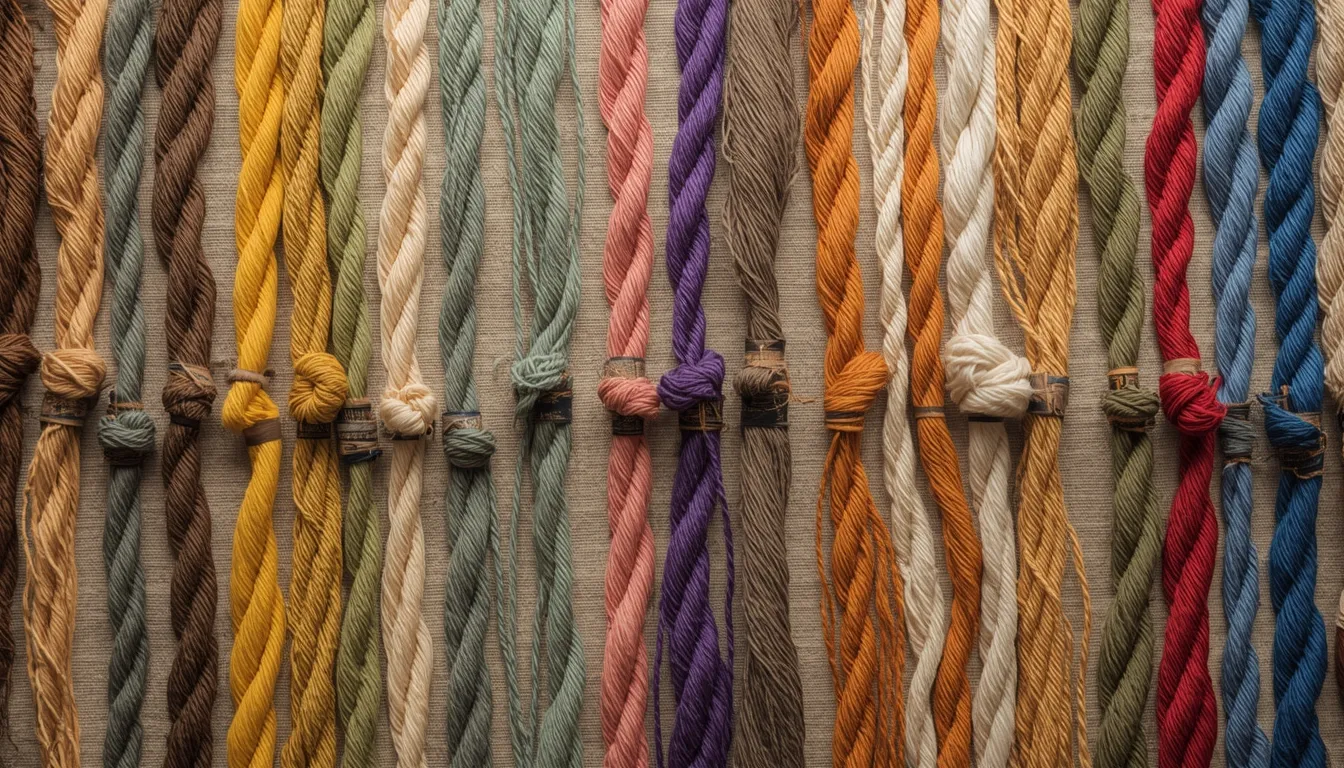
Appliqué Techniques
Raw Edge Appliqué
A contemporary technique where fabric edges are left unfinished, creating a casual, artistic look. Perfect for quilts and decorative pieces that will be washed infrequently.
Needle Turn Appliqué
Traditional method where fabric edges are turned under with the needle as you stitch. Creates smooth, polished curves and precise shapes.
Fusible Appliqué
Uses iron-on adhesive to attach fabric pieces before stitching. Quick, accurate, and ideal for complex designs with many small pieces.
Reverse Appliqué
Layers of fabric are cut away to reveal colors beneath. Creates dimensional effects and is popular in traditional folk art textiles.
Decorative Stitches
French Knots
Small, raised dots that add texture and dimension. Perfect for flower centers, eyes, and decorative accents.
Chain Stitch
Creates linked loops resembling a chain. Excellent for outlines, borders, and filling curved shapes.
Lazy Daisy
Single chain stitches arranged in circles to form simple flowers. Quick and charming for floral designs.
Feather Stitch
V-shaped stitches creating a delicate, fern-like pattern. Traditional for crazy quilts and vintage embroidery.
Blanket Stitch
Looped edging stitch that finishes raw edges beautifully. Also used decoratively along borders and appliqué edges.
Cross Stitch
X-shaped stitches that form patterns on evenweave fabric. Ideal for geometric designs and counted thread work.
Material Guide
Choosing the Right Thread
Thread selection significantly impacts your finished work. Cotton embroidery floss offers versatility and comes in hundreds of colors. Pearl cotton provides a lustrous sheen and is easier to work with for beginners. Silk threads create elegant, refined stitches suitable for special occasions.
Fabric Considerations
Your fabric choice affects both the stitching process and final appearance. Tightly woven fabrics like cotton broadcloth work well for detailed embroidery. Loosely woven linens are perfect for counted thread techniques. Always consider the garment's end use when selecting your base fabric.
Essential Tools
Quality tools make all the difference. Sharp embroidery scissors, various needle sizes, embroidery hoops, and transfer materials are fundamental. At shefrealoisharol, we recommend investing in good tools from the start—they last longer and produce better results.
Ready to Learn More?
Whether you are just starting your journey into clothing decoration or looking to refine advanced techniques, shefrealoisharol is here to guide you.